

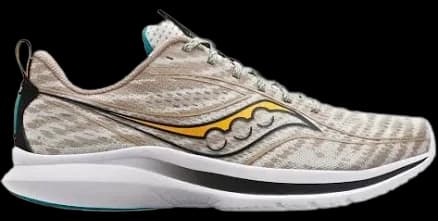
Lifespan: Saucony Kinvara 13
~560 km~348 mi
Add the km they've run to start the count.Add the miles they've run to start the count.
See full data on the Kinvara 13
Buy, track or sell
No Kinvara 13 listed right now.
Be first in line — we'll email you the moment a pair in your size lists.
About the shoe
The Saucony Kinvara 13 delivers a stripped-down, nimble ride that appeals to runners seeking speed and a close-to-the-ground feel. Its featherweight design and flexible platform make it a favorite for tempo sessions and race days, though those needing plush cushioning for long distances may want to look elsewhere. The Kinvara 13 stands out for its versatility and value, especially for runners who appreciate a minimalist approach.
Durability is solid for a lightweight trainer, with reviewers noting minimal outsole wear after dozens of miles and improved upper construction over previous models. Still, the minimal outsole rubber means it may not last as long as heavier trainers, especially for high-mileage or mixed-surface use.
Full specs, fit notes, and reviews on the Saucony Kinvara 13 wiki page.
Specs
205 g · 4 mm drop
Norma rating
8.5/10
The Saucony Kinvara 13 is widely regarded as a lightweight, flexible, and responsive neutral trainer, making it highly suitable for daily training and tempo runs. Experts and users consistently praise its low weight, natural ride, and versatility for everyday miles and moderate workouts. Its cushioning is adequate for most daily runs and shorter long runs, but the relatively minimal stack height and limited outsole durability make it less ideal for extended long runs or marathon distances, especially for heavier runners or those seeking more protection. The shoe performs well at uptempo paces, making it a strong choice for tempo sessions and even as a budget-friendly racing option for 5K to half marathon distances, though it lacks the propulsion and cushioning of modern plated racers. The minimal outsole rubber and road-focused design render it unsuitable for trail running or technical terrain. For recovery runs, the Kinvara 13's soft yet responsive cushioning is generally comfortable, but some runners may prefer a plusher, more protective shoe for maximum recovery comfort.
- Exceptionally lightweight build promotes a natural, fast turnover ideal for tempo runs and speedwork
- Breathable, secure mesh upper keeps feet cool and locked in during longer efforts
- Flexible midsole and low drop encourage a responsive, ground-connected ride for runners who prefer a minimalist feel
- Versatile enough for daily training, workouts, and even race day without the bulk or excessive cushioning
- Less cushioning and protection than many modern trainers, making it less comfortable for long runs or recovery days
- Outsole durability is limited due to minimal rubber coverage, especially for runners who log high mileage or run on rough surfaces
Best for and fit
Daily training
Ideal for Best suited for experienced runners or those transitioning to a more minimalist shoe, the Kinvara 13 excels for neutral runners who prioritize speed, ground feel, and flexibility. It's ideal for tempo runs, intervals, and race days, as well as for lighter runners who don't require extensive cushioning for daily mileage.
The Kinvara 13 is praised for its natural, slipper-like fit and flexibility, making it ideal for runners seeking a lightweight, close-to-ground feel. The upper is softer and more accommodating than previous versions, but runners with very wide feet may want to try before buying. The shoe is best suited for neutral runners and those who prefer a more traditional, low-profile ride.
Sizing: Generally true to size for most runners; no consistent recommendations to size up or down. Fit is similar to previous Kinvara models, with a slightly more refined and slipper-like feel compared to Kinvara 12. Some users with wider feet may find the toebox slightly snug but not restrictive.
Against its category
600 km average373 mi average
Daily Trainer shoes in NORMA's database last between 320199 and 800 km497 mi across 653 models. At 560 km348 mi, the Saucony Kinvara 13 sits in the upper half of that range.
Other versions and similar shoes
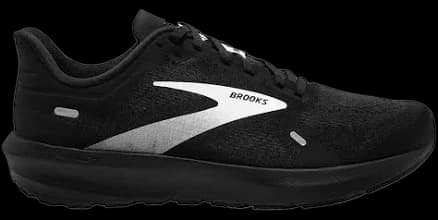
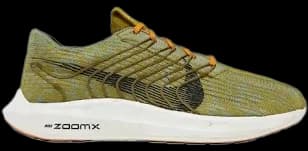
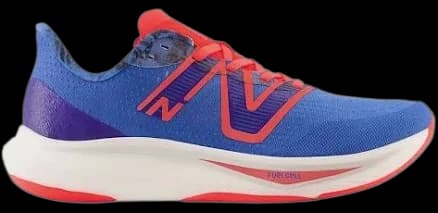
- Kinvara 11~560 km · 348 mi
- Kinvara 12~560 km · 348 mi
- Kinvara 13~560 km · 348 mi
- Kinvara 14~580 km · 360 mi
- Kinvara 15~560 km · 348 mi
- Kinvara 16~560 km · 348 mi
Questions and guides
How many kilometres does the Saucony Kinvara 13 last?
The Saucony Kinvara 13 lasts about 560 km (348 miles), based on hand-researched wear data for this model. Your own mileage shifts with body weight, running surface, and how you use the shoe.
How many miles does the Saucony Kinvara 13 last?
About 348 miles (560 km), based on hand-researched wear data for this model.
When should I replace the Saucony Kinvara 13?
Start checking for wear around 336 km (60% of its lifespan). By 448 km the foam and outsole are usually noticeably degraded, and most runners retire the shoe between there and 560 km.
How does the Saucony Kinvara 13 compare to other daily trainer shoes?
Daily Trainer shoes in NORMA's database range from 320 to 800 km across 653 models. At 560 km, the Saucony Kinvara 13 sits in the upper half of that range.
Is a used Saucony Kinvara 13 worth buying?
Often, yes. A pair with under 60% wear (roughly 336 km) still has real training life left. NORMA lists second-rotation running shoes, and sellers can add the miles they logged, so you can see how much life is left.