

Lifespan: Nike Pegasus Turbo Next Nature
~560 km~348 mi

Add the km they've run to start the count.Add the miles they've run to start the count.
See full data on the Pegasus Turbo Next Nature
Buy, track or sell
No Pegasus Turbo Next Nature listed right now.
Be first in line — we'll email you the moment a pair in your size lists.
About the shoe
The Nike Pegasus Turbo Next Nature blends sustainability with performance, offering a firm, stable ride ideal for daily miles and uptempo sessions. Its recycled materials and durable outsole make it a responsible choice for high-mileage runners, though the fit and ride may not suit everyone. Best for those who value eco-friendly design and prefer a supportive, responsive trainer.
The build quality is generally considered strong, with the thick Flyknit upper and robust outsole showing good resistance to wear. The recycled ZoomX foam is firmer and less prone to compression set than softer foams, and users report minimal early wear patterns. No major durability complaints are noted in expert or user reviews.
Full specs, fit notes, and reviews on the Nike Pegasus Turbo Next Nature wiki page.
Specs
244 g · 10 mm drop
Norma rating
7.0/10
The Nike Pegasus Turbo Next Nature is widely regarded as a strong daily trainer, praised for its comfort, durability, and eco-friendly design. Its ZoomX midsole provides a cushioned yet firm ride, making it suitable for everyday runs and base building, though it lacks the energetic bounce of earlier Turbo models. For long runs, it is adequate but not ideal; some users and experts note that the cushioning feels less substantial over extended distances, and the firm ride may lead to fatigue on marathon-length efforts. The shoe performs reasonably well for tempo runs due to its lighter weight and firmer toe-off, but it does not deliver the high responsiveness or propulsion of dedicated tempo or racing shoes. For racing, especially at competitive paces, it is outclassed by true racing flats or super shoes, offering less energy return and a heavier, less aggressive feel. Trail running is not recommended due to limited traction and a road-focused outsole, though it can handle light, non-technical off-road surfaces in a pinch. For recovery runs, the comfortable upper and moderate cushioning make it a good choice, though the firmer ride may not be as gentle as softer recovery-oriented models.
- Eco-conscious construction uses over 50% recycled materials, appealing to sustainability-minded runners
- Stable platform and firm cushioning provide reliable support for daily training and tempo efforts
- Durable outsole rubber offers strong grip and is built to last for high-mileage use
- Lightweight build makes it suitable for longer runs without feeling bulky
- Firmer ride and stiff forefoot may feel harsh for runners seeking plush, bouncy cushioning
- Narrow fit and tapered toebox can be uncomfortable for wide-footed runners or those preferring a roomy forefoot
- Thick FlyKnit upper can run warm and lacks the breathability of mesh alternatives
Best for and fit
Daily training
Ideal for Best suited for intermediate to experienced runners who prioritize sustainability and need a stable, firm daily trainer for moderate to long distances. Ideal for those with a neutral gait, narrower feet, and a preference for a responsive, supportive ride over plush softness.
The Pegasus Turbo Next Nature is lighter than the Pegasus 40 and has a softer, more responsive ride due to the ZoomX foam. The Flyknit upper is thicker than previous Nike Flyknit models, providing a secure but slightly warmer fit. The shoe is versatile for various foot strikes and daily training, but not designed for maximal stability or motion control. No carbon plate is present, differentiating it from Nike's racing models. Stack height is 32mm, slightly lower than the Pegasus 40.
Sizing: Generally true to size; most reviewers and user feedback indicate standard Nike sizing applies. No consistent recommendation to size up or down compared to other Nike running models, but the Flyknit upper may feel snug for wide feet.
Against its category
600 km average373 mi average
Daily Trainer shoes in NORMA's database last between 320199 and 800 km497 mi across 653 models. At 560 km348 mi, the Nike Pegasus Turbo Next Nature sits in the upper half of that range.
Other versions and similar shoes
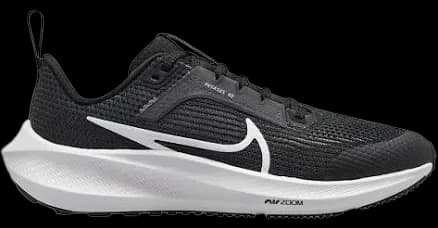

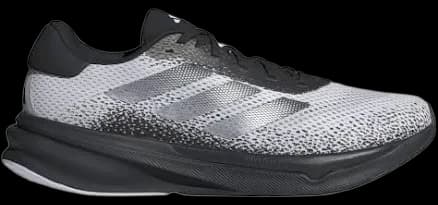



Questions and guides
How many kilometres does the Nike Pegasus Turbo Next Nature last?
The Nike Pegasus Turbo Next Nature lasts about 560 km (348 miles), based on hand-researched wear data for this model. Your own mileage shifts with body weight, running surface, and how you use the shoe.
How many miles does the Nike Pegasus Turbo Next Nature last?
About 348 miles (560 km), based on hand-researched wear data for this model.
When should I replace the Nike Pegasus Turbo Next Nature?
Start checking for wear around 336 km (60% of its lifespan). By 448 km the foam and outsole are usually noticeably degraded, and most runners retire the shoe between there and 560 km.
How does the Nike Pegasus Turbo Next Nature compare to other daily trainer shoes?
Daily Trainer shoes in NORMA's database range from 320 to 800 km across 653 models. At 560 km, the Nike Pegasus Turbo Next Nature sits in the upper half of that range.
Is a used Nike Pegasus Turbo Next Nature worth buying?
Often, yes. A pair with under 60% wear (roughly 336 km) still has real training life left. NORMA lists second-rotation running shoes, and sellers can add the miles they logged, so you can see how much life is left.