

Lifespan: New Balance Fuelcell Rebel V4
~560 km~348 mi
Add the km they've run to start the count.Add the miles they've run to start the count.
See full data on the Fuelcell Rebel V4
Buy, track or sell
No Fuelcell Rebel V4 listed right now.
Be first in line — we'll email you the moment a pair in your size lists.
About the shoe
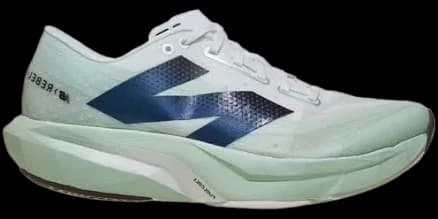
The New Balance FuelCell Rebel v4 is a lightweight, stable trainer that excels at daily miles, tempo efforts, and faster workouts. Its soft, responsive midsole and wide base offer a secure, comfortable ride, though it lacks the high energy return of true racing shoes. Runners seeking a nimble, versatile option for a variety of paces will appreciate its blend of comfort and control.
Durability is a concern due to the exposed soft FuelCell foam, which compresses and loses cushioning effectiveness after extended mileage (notably beyond 9 miles/15 km). The outsole traction is average, and wear patterns suggest the shoe is best reserved for road use and shorter to moderate distances.
Full specs, fit notes, and reviews on the New Balance Fuelcell Rebel V4 wiki page.
Specs
212 g · 6 mm drop
Norma rating
9.0/10
The New Balance Fuelcell Rebel V4 is widely praised for its lightweight, responsive, and versatile ride, making it especially well-suited for tempo runs and faster-paced workouts. Experts consistently highlight its energetic PEBA-blend midsole, which delivers a soft yet lively feel ideal for threshold efforts and fartlek sessions. Its moderate cushioning and improved stability over previous versions allow it to handle daily training and even some long runs, though the relatively soft foam may bottom out for heavier runners or during very high-mileage efforts. The shoe is not as propulsive as plated 'super shoes' but is recommended by reviewers as a racing option for those who prefer a more natural, flexible ride, particularly for 10K to half marathon distances. The outsole and exposed foam limit its suitability for trails, as traction and durability are only average and the foam is prone to punctures. For recovery runs, the softness is appreciated by some, but the shoe's geometry and upper may not provide the plush, locked-in feel preferred for truly easy days. User and expert consensus positions the Rebel V4 as a top choice for tempo work and a strong daily trainer for runners who like a soft, fast-feeling shoe.
- Exceptionally lightweight build reduces fatigue and encourages natural, quick turnover, making it ideal for tempo runs and daily training
- Wide base and updated midsole blend deliver impressive lateral stability, providing confidence for runners who value secure foot placement
- Breathable, minimally padded upper keeps feet cool and comfortable even during longer efforts
- Versatile cushioning strikes a balance between ground feel and protection, suitable for both short speedwork and moderate long runs
- Moderate energy return and softer foam limit its effectiveness for all-out racing or runners seeking maximum propulsion
- Some runners, especially heel strikers or those preferring firmer shoes, may find the midsole bottoms out or lacks sufficient underfoot protection on longer runs
Best for and fit
Tempo
Ideal for Best for intermediate to advanced runners who value a lightweight, stable shoe for daily training, tempo runs, and speedwork. Suits those with a neutral gait who prefer a natural, low-profile ride and appreciate ground feel over maximal cushioning. Not ideal for runners seeking maximum energy return for racing or those needing significant underfoot protection for high-mileage long runs.
The Rebel v4 is praised for its balance of comfort and performance fit. The upper is breathable and adapts well to foot shape, with a secure heel and midfoot. The toebox is more accommodating than previous versions, making it suitable for longer runs and varied workouts. No carbon plate is present, and the shoe remains highly flexible, supporting natural foot movement. Best suited for runners seeking a lightweight, responsive, and versatile neutral trainer.
Sizing: True to size according to multiple expert reviews and retailer guidance. No widespread recommendations to size up or down compared to other New Balance models.
Against its category
520 km average323 mi average
Speedwork shoes in NORMA's database last between 250155 and 800 km497 mi across 111 models. At 560 km348 mi, the New Balance Fuelcell Rebel V4 sits in the upper half of that range.
Other versions and similar shoes
- Fuelcell Rebel~480 km · 298 mi
- Fuelcell Rebel V2~500 km · 311 mi
- Fuelcell Rebel V3~500 km · 311 mi
- Fuelcell Rebel V4~560 km · 348 mi
- Fuelcell Rebel V5~560 km · 348 mi

Questions and guides
How many kilometres does the New Balance Fuelcell Rebel V4 last?
The New Balance Fuelcell Rebel V4 lasts about 560 km (348 miles), based on hand-researched wear data for this model. Your own mileage shifts with body weight, running surface, and how you use the shoe.
How many miles does the New Balance Fuelcell Rebel V4 last?
About 348 miles (560 km), based on hand-researched wear data for this model.
When should I replace the New Balance Fuelcell Rebel V4?
Start checking for wear around 336 km (60% of its lifespan). By 448 km the foam and outsole are usually noticeably degraded, and most runners retire the shoe between there and 560 km.
How does the New Balance Fuelcell Rebel V4 compare to other speedwork shoes?
Speedwork shoes in NORMA's database range from 250 to 800 km across 111 models. At 560 km, the New Balance Fuelcell Rebel V4 sits in the upper half of that range.
Is a used New Balance Fuelcell Rebel V4 worth buying?
Often, yes. A pair with under 60% wear (roughly 336 km) still has real training life left. NORMA lists second-rotation running shoes, and sellers can add the miles they logged, so you can see how much life is left.