

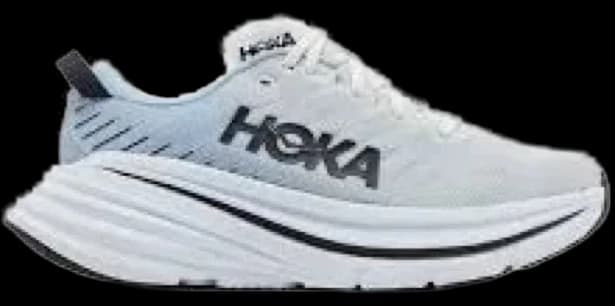
Lifespan: Hoka Bondi X
~480 km~298 mi
Add the km they've run to start the count.Add the miles they've run to start the count.
See full data on the Bondi X
Buy, track or sell
No Bondi X listed right now.
Be first in line — we'll email you the moment a pair in your size lists.
About the shoe
The Hoka Bondi X blends the plush comfort of the classic Bondi with a carbon plate for added responsiveness, resulting in a uniquely cushioned yet efficient ride. While not a pure racing shoe, it excels at providing long-distance comfort and mild propulsion for daily training and recovery runs. Runners seeking a stable, high-stack trainer with a touch of snap will appreciate its versatility.
Reports from expert sites and user communities indicate the Bondi X is built to handle high mileage, with durable materials and solid construction. Some suggest alternating shoes for longevity, but overall wear patterns and build quality are rated above average for a max-cushion trainer.
Full specs, fit notes, and reviews on the Hoka Bondi X wiki page.
Specs
300 g · 5 mm drop
Norma rating
8.3/10
The Hoka Bondi X is widely recognized for its maximal cushioning, plush comfort, and stable ride, making it highly suitable for daily training and especially for recovery runs and long, easy efforts. The addition of a carbon plate adds some responsiveness and a smoother toe-off, but the shoe remains relatively heavy (over 11 oz/319g for men's US 10), which limits its effectiveness for tempo runs and racing compared to lighter, more propulsive carbon-plated models. Experts and users agree that while the Bondi X can handle moderate uptempo work, it lacks the snappy, race-day feel of true performance racers and is not recommended for competitive events. Its road-focused design, high stack, and limited traction make it unsuitable for trail running. The shoe's plushness and stability are especially appreciated for recovery runs and for runners seeking maximum comfort over high mileage, including marathon training, but its price and weight are drawbacks for those seeking versatility or speed.
- Exceptionally plush cushioning absorbs impact and reduces fatigue on long runs, making it ideal for high-mileage training.
- Carbon plate delivers a subtle but noticeable increase in forward propulsion and efficiency, especially at moderate paces.
- Stable platform and secure upper provide confidence for runners needing extra support without a traditional stability shoe design.
- Breathable, well-padded upper keeps feet comfortable and cool even during extended sessions.
- Heavier than most carbon-plated shoes, which may limit its appeal for racing or speed-focused workouts.
- The carbon plate adds stiffness but does not transform the shoe into a true racer, so it may disappoint those seeking maximum speed benefits.
Best for and fit
Recovery
Ideal for Best suited for experienced runners or dedicated enthusiasts seeking maximum cushioning for daily training, long runs, or recovery days. Ideal for those who value comfort and stability over pure speed, including heavier runners or those prone to fatigue on hard surfaces. Not recommended for runners seeking a lightweight, aggressive racing shoe.
The Bondi X combines the plush, maximal cushioning of the Bondi line with a stiff carbon plate for a propulsive ride. The shoe is designed for efficient, energy-saving transitions and is best suited for neutral runners seeking maximal cushioning with a performance edge. The fit is secure throughout, with a slightly wider platform than typical Hokas, but the upper is not overly voluminous. Some users with high-volume feet may prefer trying both standard and wide widths.
Sizing: Generally true to size; most reviewers and retailers recommend standard sizing, with a fit similar to other Hoka Bondi models. Some users with wide feet may find the toebox slightly snug compared to other max-cushion trainers, but not cramped.
Against its category
610 km average379 mi average
Recovery shoes in NORMA's database last between 480298 and 800 km497 mi across 54 models. At 480 km298 mi, the Hoka Bondi X sits in the lower half of that range.
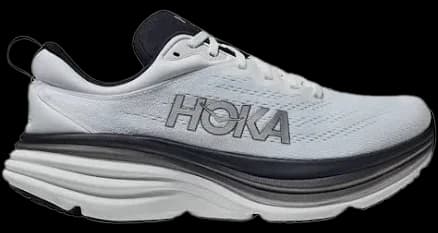
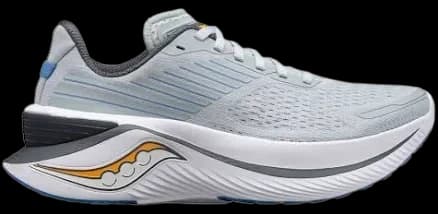
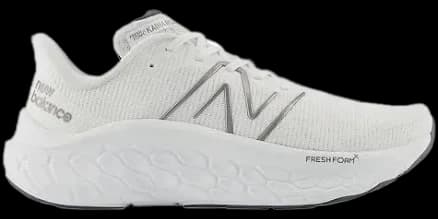
Other versions and similar shoes
Questions and guides
How many kilometres does the Hoka Bondi X last?
The Hoka Bondi X lasts about 480 km (298 miles), based on hand-researched wear data for this model. Your own mileage shifts with body weight, running surface, and how you use the shoe.
How many miles does the Hoka Bondi X last?
About 298 miles (480 km), based on hand-researched wear data for this model.
When should I replace the Hoka Bondi X?
Start checking for wear around 288 km (60% of its lifespan). By 384 km the foam and outsole are usually noticeably degraded, and most runners retire the shoe between there and 480 km.
How does the Hoka Bondi X compare to other recovery shoes?
Recovery shoes in NORMA's database range from 480 to 800 km across 54 models. At 480 km, the Hoka Bondi X sits in the lower half of that range.
Is a used Hoka Bondi X worth buying?
Often, yes. A pair with under 60% wear (roughly 288 km) still has real training life left. NORMA lists second-rotation running shoes, and sellers can add the miles they logged, so you can see how much life is left.