

Lifespan: Nike Zegama Trail
~620 km~385 mi
Add the km they've run to start the count.Add the miles they've run to start the count.
See full data on the Zegama Trail
Buy, track or sell
No Zegama Trail listed right now.
Be first in line — we'll email you the moment a pair in your size lists.
About the shoe
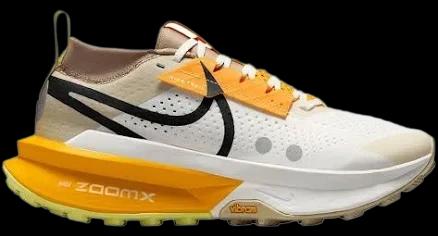
The Nike ZoomX Zegama Trail stands out for its plush cushioning and improved grip, making it a strong choice for long-distance trail runners seeking comfort and security. While the shoe is heavier than some rivals, its stable ride and debris-blocking upper excel on varied terrain and technical trails. Runners looking for a reliable, max-cushion option for ultras or all-day adventures will appreciate the Zegama’s blend of protection and traction.
The addition of Vibram Megagrip on the outsole in the Zegama 2 has significantly improved durability and traction, addressing previous concerns about Nike trail shoes. Most reviewers report solid build quality and longevity, though the upper could be lighter.
Full specs, fit notes, and reviews on the Nike Zegama Trail wiki page.
Specs
317 g · 4 mm drop
Norma rating
8.2/10
The Nike ZoomX Zegama Trail is widely praised for its plush ZoomX cushioning, Vibram Megagrip outsole, and overall comfort, making it highly suitable for daily trail training and especially long runs on moderate to less technical terrain. Its high stack and soft foam provide excellent protection and energy return, which is ideal for extended efforts and recovery runs. The shoe's weight (approx. 10.7 oz/302g) and lack of a propulsion plate make it less optimal for racing or tempo efforts compared to lighter, more responsive models. While the Vibram outsole offers strong grip on most surfaces, the high stack and fit issues reduce confidence on highly technical or very rugged trails. Users and experts agree the Zegama excels for long, comfortable miles, daily trail use, and recovery, but is less suited for aggressive racing or fast-paced workouts due to its weight and stability trade-offs.
- Vibram Megagrip outsole delivers reliable traction on wet and technical trails, addressing a long-standing weakness in Nike trail shoes.
- ZoomX midsole offers substantial cushioning and shock absorption, making long runs and ultras more comfortable for tired legs.
- Wider platform and secure upper provide enhanced stability and foot lockdown, reducing fatigue and risk of slips on uneven terrain.
- Bootie-style collar and gusseted tongue keep debris out and improve comfort over extended efforts.
- Heavier than many competitors in the max-cushion trail category, which may be noticeable on faster efforts or technical descents.
- Toebox could feel restrictive for runners with wider feet or those needing more vertical space, potentially limiting comfort on ultras.
Best for and fit
Long runs
Ideal for Best suited for intermediate to advanced trail runners who prioritize comfort and protection over speed, especially those training for ultras or long mountain runs. Ideal for runners with a neutral gait seeking a stable, cushioned ride on technical or mixed terrain, and who value secure foot lockdown and reliable wet traction.
The Zegama is designed for long-distance trail running, prioritizing cushioning and protection. The upper is engineered mesh with overlays for durability and support. The shoe is slightly wider than previous Nike trail models to accommodate foot swelling during long runs, but the toebox vertical space remains limited. No carbon plate is present, but the rocker geometry aids in smooth transitions. The Vibram Megagrip outsole significantly improves traction compared to earlier Nike trail shoes. Weight is on the higher side for a trail shoe, but this is offset by the plush ride and stability.
Sizing: Generally true to size for most runners, but some report a slightly snug fit in the toebox and recommend trying both true size and a half size up if you have wide feet or prefer extra toe room. Compared to Nike Wildhorse, fit is similar but with a more secure upper; compared to Nike Pegasus Trail, Zegama is slightly snugger in the forefoot.
Against its category
560 km average348 mi average
Trail shoes in NORMA's database last between 180112 and 850 km528 mi across 444 models. At 620 km385 mi, the Nike Zegama Trail sits in the upper half of that range.
Other versions and similar shoes
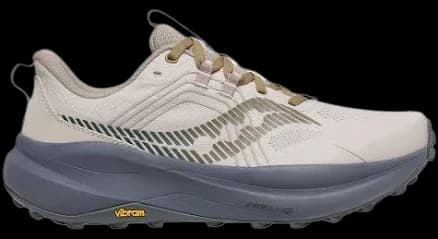
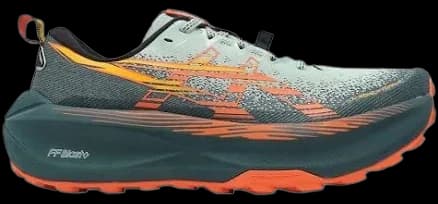
- Zegama Trail~620 km · 385 mi
- Zegama Trail 2~640 km · 398 mi
Questions and guides
How many kilometres does the Nike Zegama Trail last?
The Nike Zegama Trail lasts about 620 km (385 miles), based on hand-researched wear data for this model. Your own mileage shifts with body weight, running surface, and how you use the shoe.
How many miles does the Nike Zegama Trail last?
About 385 miles (620 km), based on hand-researched wear data for this model.
When should I replace the Nike Zegama Trail?
Start checking for wear around 372 km (60% of its lifespan). By 496 km the foam and outsole are usually noticeably degraded, and most runners retire the shoe between there and 620 km.
How does the Nike Zegama Trail compare to other trail shoes?
Trail shoes in NORMA's database range from 180 to 850 km across 444 models. At 620 km, the Nike Zegama Trail sits in the upper half of that range.
Is a used Nike Zegama Trail worth buying?
Often, yes. A pair with under 60% wear (roughly 372 km) still has real training life left. NORMA lists second-rotation running shoes, and sellers can add the miles they logged, so you can see how much life is left.