

Lifespan: Nike Structure 26
~640 km~398 mi
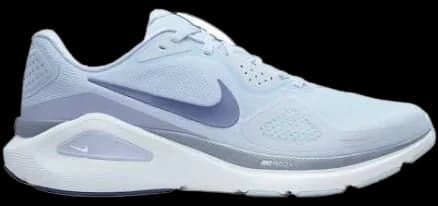
Add the km they've run to start the count.Add the miles they've run to start the count.
See full data on the Structure 26
Buy, track or sell
No Structure 26 listed right now.
Be first in line — we'll email you the moment a pair in your size lists.
About the shoe
The Structure 26 represents Nike's evolution toward a comfort-first stability shoe that balances support with a smoother, more natural ride. It excels as a dependable daily trainer for easy-paced runs and recovery work, offering unobtrusive guidance that won't feel overly corrective. However, its added weight and firmer cushioning make it better suited for relaxed training rather than faster workouts.
Excellent outsole durability (0.6mm damage), strong heel padding (4/5), solid toebox construction; above-average overall longevity expected.
Full specs, fit notes, and reviews on the Nike Structure 26 wiki page.
Specs
320 g · 10 mm drop
Norma rating
7.5/10
Structure 26 excels as a cushioned daily workhorse with solid stability support and comfortable ReactX foam. Its moderate weight, responsive but not snappy ride, and smooth transitions make it ideal for easy miles and base building. Limited versatility and heavier feel reduce suitability for tempo efforts and racing.
- Delivers a balanced cushioning experience with the ReactX midsole that absorbs impact effectively while maintaining enough responsiveness for varied paces without feeling sluggish
- Provides subtle yet effective midfoot and arch support through a modern guidance system that stabilizes your stride without the rigid, intrusive feel of older stability shoes
- Features a wider toe box and accommodating upper with enhanced breathability, making it comfortable for runners with normal to slightly wider feet who prioritize all-day wearability
- Offers excellent heel comfort with increased padding and a more flexible heel counter compared to previous versions, reducing irritation for runners with heel sensitivity
- Maintains an approachable price point while delivering above-average durability and a smooth heel-to-toe transition that encourages natural running mechanics
- Weighs noticeably more than many competitors in the stability category, which can feel heavy during longer efforts and may fatigue runners seeking a lighter daily trainer
- Features a firmer underfoot feel that some runners find less plush than expected, and the midsole can feel somewhat unresponsive during runs exceeding 12-14 miles
- Includes a puffy, bulky tongue that some runners find uncomfortable, and the forefoot outsole shows below-average durability compared to other shoes in its class
- Lacks the snappy responsiveness of the previous Structure 25 model, making it less suitable for tempo runs or interval training where liveliness matters
Best for and fit
Daily training
Ideal for Recreational runners with mild to moderate overpronation who log 20-40 miles weekly at easy to moderate paces, value comfort and stability over speed, and prefer a wider platform for daily training runs and recovery work. Best suited for runners transitioning into structured training, those with heel sensitivity, and athletes seeking a dependable workhorse shoe for base-building phases rather than competitive racing or tempo-focused training.
The Structure 26 is designed as a daily training shoe for runners seeking stable, firm yet comfortable footwear. It bridges the gap between the maximalist Vomero and responsive Pegasus. The enhanced padding throughout accommodates various foot shapes while the advanced midfoot support system provides confidence for everyday runs. Best suited for runners with mild to moderate overpronation or those preferring a supportive, stable platform.
Sizing: True to size. Comparable to Nike Pegasus 41 and Vomero 18 in sizing. No specific size up/down recommendations noted in sources.
Against its category
600 km average373 mi average
Daily Trainer shoes in NORMA's database last between 320199 and 800 km497 mi across 653 models. At 640 km398 mi, the Nike Structure 26 sits in the upper half of that range.
Other versions and similar shoes
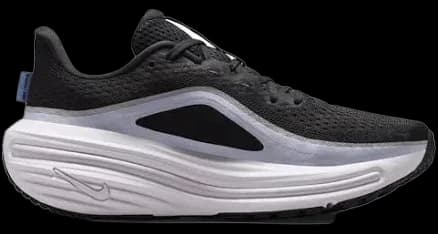
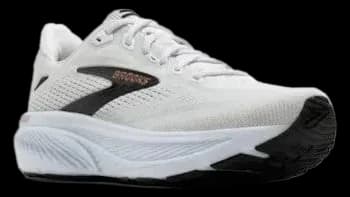
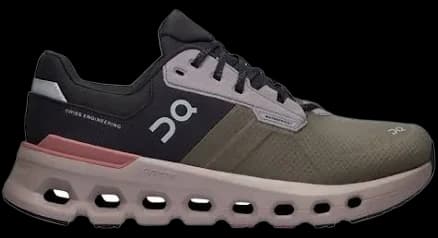
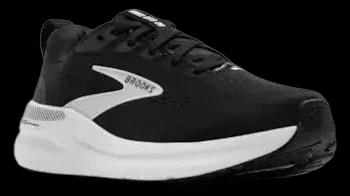
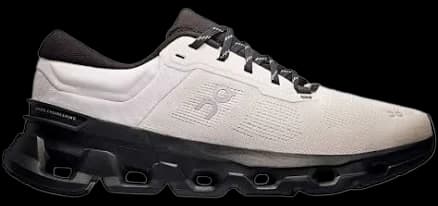
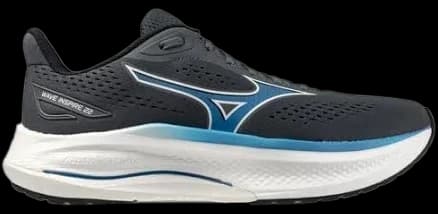
- Structure 25~680 km · 423 mi
- Structure 26~640 km · 398 mi
Questions and guides
How many kilometres does the Nike Structure 26 last?
The Nike Structure 26 lasts about 640 km (398 miles), based on hand-researched wear data for this model. Your own mileage shifts with body weight, running surface, and how you use the shoe.
How many miles does the Nike Structure 26 last?
About 398 miles (640 km), based on hand-researched wear data for this model.
When should I replace the Nike Structure 26?
Start checking for wear around 384 km (60% of its lifespan). By 512 km the foam and outsole are usually noticeably degraded, and most runners retire the shoe between there and 640 km.
How does the Nike Structure 26 compare to other daily trainer shoes?
Daily Trainer shoes in NORMA's database range from 320 to 800 km across 653 models. At 640 km, the Nike Structure 26 sits in the upper half of that range.
Is a used Nike Structure 26 worth buying?
Often, yes. A pair with under 60% wear (roughly 384 km) still has real training life left. NORMA lists second-rotation running shoes, and sellers can add the miles they logged, so you can see how much life is left.