

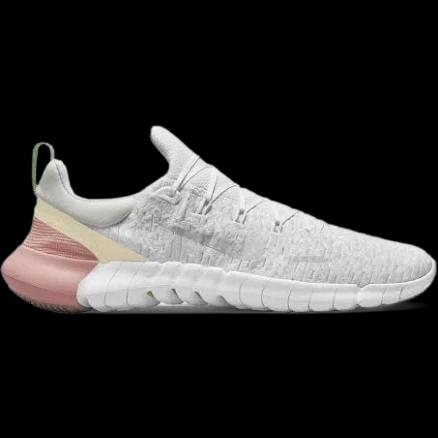
Lifespan: Nike Free Run 5
~480 km~298 mi
Add the km they've run to start the count.Add the miles they've run to start the count.
See full data on the Free Run 5
Buy, track or sell
No Free Run 5 listed right now.
Be first in line — we'll email you the moment a pair in your size lists.
About the shoe
The Nike Free Run 5.0 is designed for runners seeking a natural, flexible ride on short runs or during cross-training. Its minimalist construction and sock-like fit make it a favorite for those prioritizing ground feel and foot mobility, but its limited grip and cushioning mean it's best reserved for low-mileage outings or gym sessions.
Durability is a common concern, with multiple sources noting the outsole is mostly exposed EVA foam, leading to rapid wear, especially outdoors. Users and reviewers report the shoe is best suited for indoor or light use, as the grip and longevity are lacking for heavy mileage or rough surfaces.
Full specs, fit notes, and reviews on the Nike Free Run 5 wiki page.
Specs
215 g · 6 mm drop
Norma rating
7.5/10
Expert and user consensus consistently position the Nike Free Run 5.0 as a lightweight, flexible, and minimally cushioned shoe best suited for short to moderate daily runs, form drills, and as a 'complementary' trainer. Its low weight and flexibility encourage a midfoot strike and natural running mechanics, but the limited cushioning and protection make it unsuitable for long runs (15+ miles) or high-mileage marathon training, with multiple reviewers reporting joint discomfort and fatigue at longer distances. The shoe is not designed for racing performance, lacking the responsiveness and propulsion of dedicated race shoes, and is not recommended for trail use due to minimal traction and protection. For tempo runs, it can work for some runners seeking ground feel and foot strength, but most experts suggest more responsive, cushioned options for sustained faster paces. For recovery runs, the soft, flexible ride and low weight can be gentle on tired legs for easy, short outings, but the lack of plush cushioning limits its suitability for all runners. Expert reviews and user feedback highlight its value as a secondary or rotation shoe for foot strength, stride work, and short, easy runs, but not as a primary high-mileage trainer or race-day option.
- Exceptionally lightweight build promotes a natural, barely-there feel ideal for short runs and daily wear
- Highly flexible sole encourages natural foot movement and strengthens foot muscles over time
- Breathable, stretchy upper delivers a sock-like fit that adapts comfortably to a wide range of foot shapes
- Limited cushioning and minimal support make it unsuitable for long distances or runners needing extra protection
- Outsole grip is minimal, especially on wet or uneven surfaces, restricting use primarily to dry roads, treadmills, or gym floors
Best for and fit
Daily training
Ideal for Best suited for experienced runners with a neutral gait who want to supplement their training with natural, low-mileage runs or use the shoe for gym workouts and daily activities. Not recommended for beginners, heavy heel strikers, or those seeking substantial cushioning for long distances.
Designed for a barefoot-like, natural ride with a flexible sole and minimal structure. Best for neutral runners seeking ground feel and foot strength. Not recommended for those needing significant arch support or motion control. The shoe transitions well from running to casual wear due to its comfort and flexibility.
Sizing: Generally true to size; some users with wider feet may find the midfoot snug and may consider half size up. Most expert and user reviews recommend starting with your normal running shoe size.
Against its category
600 km average373 mi average
Daily Trainer shoes in NORMA's database last between 320199 and 800 km497 mi across 653 models. At 480 km298 mi, the Nike Free Run 5 sits in the lower half of that range.
Other versions and similar shoes
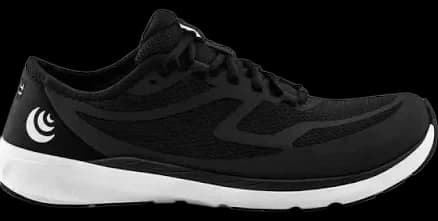
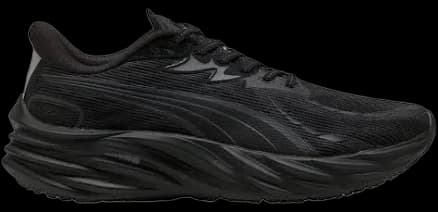
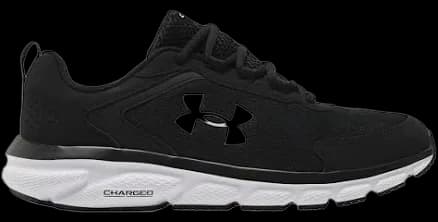
Questions and guides
How many kilometres does the Nike Free Run 5 last?
The Nike Free Run 5 lasts about 480 km (298 miles), based on hand-researched wear data for this model. Your own mileage shifts with body weight, running surface, and how you use the shoe.
How many miles does the Nike Free Run 5 last?
About 298 miles (480 km), based on hand-researched wear data for this model.
When should I replace the Nike Free Run 5?
Start checking for wear around 288 km (60% of its lifespan). By 384 km the foam and outsole are usually noticeably degraded, and most runners retire the shoe between there and 480 km.
How does the Nike Free Run 5 compare to other daily trainer shoes?
Daily Trainer shoes in NORMA's database range from 320 to 800 km across 653 models. At 480 km, the Nike Free Run 5 sits in the lower half of that range.
Is a used Nike Free Run 5 worth buying?
Often, yes. A pair with under 60% wear (roughly 288 km) still has real training life left. NORMA lists second-rotation running shoes, and sellers can add the miles they logged, so you can see how much life is left.