

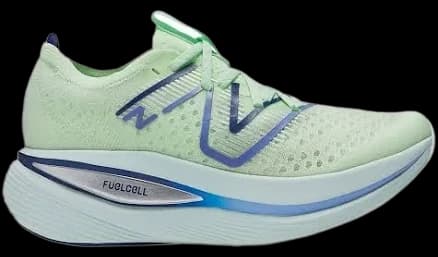
Lifespan: New Balance Fuelcell SC Trainer
~500 km~311 mi
Add the km they've run to start the count.Add the miles they've run to start the count.
See full data on the Fuelcell SC Trainer
Buy, track or sell
No Fuelcell SC Trainer listed right now.
Be first in line — we'll email you the moment a pair in your size lists.
About the shoe
The New Balance FuelCell SuperComp Trainer is engineered for runners seeking a blend of plush cushioning and energetic propulsion over long distances. Its carbon plate and responsive foam excel at marathon and tempo paces, while the stable, well-ventilated upper ensures comfort and security. Best suited for structured workouts and long runs, it may feel too firm for easy recovery days.
Durability is generally rated as good, with the outsole rubber holding up well and minimal wear after 50+ miles. However, exposed foam in the midfoot area is noted as a potential weak point, possibly reducing long-term outsole life compared to fully rubberized trainers.
Full specs, fit notes, and reviews on the New Balance Fuelcell SC Trainer wiki page.
Specs
320 g · 8 mm drop
Norma rating
8.5/10
The New Balance Fuelcell Supercomp Trainer is widely regarded by experts and users as an outstanding option for high-mileage daily training and long runs, thanks to its substantial cushioning, carbon plate, and stable ride. The v3's firmer PEBA midsole offers improved responsiveness and stability over v2, making it suitable for marathon training and extended efforts. Most reviewers highlight its comfort and ability to handle easy and moderate paces, with enough snap for tempo work, though it is not as propulsive or lightweight as top-tier racing shoes. The shoe is less ideal for racing due to its weight and less aggressive geometry compared to elite racers, but some runners still use it for half and full marathons. It is not designed for trail use, lacking traction and protection for technical terrain. For recovery runs, the plush cushioning and smooth rocker make it a gentle, forgiving choice, though some may find the carbon plate unnecessary for very easy days. Fit issues (notably a tapered toe box) may affect comfort for some, but overall consensus is highly positive for road-based, high-volume training.
- Highly cushioned midsole delivers exceptional comfort and reduces fatigue during long runs, making it ideal for marathon training
- Carbon plate and responsive foam provide a noticeable energy return, helping runners maintain efficient pacing at uptempo efforts
- Durable outsole and upper construction show minimal wear even after extended mileage, offering good value for high-mileage runners
- Stable platform and secure fit contribute to confident foot placement, even at faster paces
- Firm midsole and stiff plate can feel harsh or clunky during slower recovery runs, limiting versatility for easy days
- Some runners experience pressure over the big toe on longer runs, which may require sizing adjustments or could affect comfort for wide-footed athletes
Best for and fit
Long runs
Ideal for Best for intermediate to advanced runners focused on marathon or half-marathon training who want a high-cushion, plated trainer for long runs and tempo workouts. Suits those with a neutral gait who prefer a stable, energetic ride and are less concerned with plushness on easy days.
The SuperComp Trainer is designed for high-mileage training and long runs, especially for runners seeking maximal cushioning and energy return. The upper is breathable and adapts well to various foot shapes. The shoe is not legal for elite competition due to its high stack height but is favored for marathon training. Some users with very narrow feet may find the midfoot slightly roomy, but most report excellent lockdown and comfort for extended wear.
Sizing: True to size; most reviewers and fitting guides report standard sizing with no need to size up or down compared to other New Balance models or major brands.
Against its category
560 km average348 mi average
Long Distance shoes in NORMA's database last between 300186 and 900 km559 mi across 38 models. At 500 km311 mi, the New Balance Fuelcell SC Trainer sits in the lower half of that range.
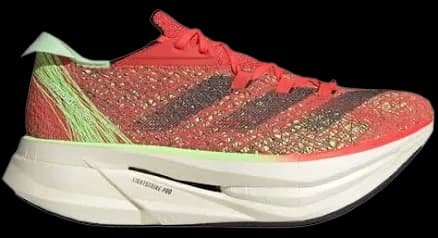
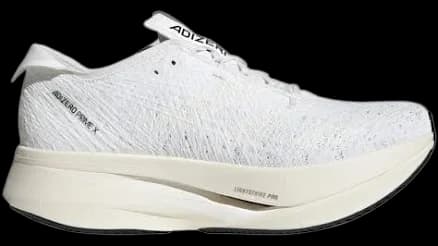
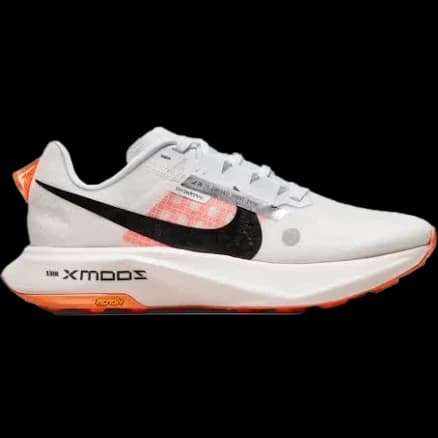
Other versions and similar shoes
- Fuelcell SC Trainer~500 km · 311 mi
- Fuelcell SC Trainer V2~500 km · 311 mi
- Fuelcell SC Trainer V3~560 km · 348 mi
Questions and guides
How many kilometres does the New Balance Fuelcell SC Trainer last?
The New Balance Fuelcell SC Trainer lasts about 500 km (311 miles), based on hand-researched wear data for this model. Your own mileage shifts with body weight, running surface, and how you use the shoe.
How many miles does the New Balance Fuelcell SC Trainer last?
About 311 miles (500 km), based on hand-researched wear data for this model.
When should I replace the New Balance Fuelcell SC Trainer?
Start checking for wear around 300 km (60% of its lifespan). By 400 km the foam and outsole are usually noticeably degraded, and most runners retire the shoe between there and 500 km.
How does the New Balance Fuelcell SC Trainer compare to other long distance shoes?
Long Distance shoes in NORMA's database range from 300 to 900 km across 38 models. At 500 km, the New Balance Fuelcell SC Trainer sits in the lower half of that range.
Is a used New Balance Fuelcell SC Trainer worth buying?
Often, yes. A pair with under 60% wear (roughly 300 km) still has real training life left. NORMA lists second-rotation running shoes, and sellers can add the miles they logged, so you can see how much life is left.