

Lifespan: New Balance Fuelcell SC Trail
~480 km~298 mi

Add the km they've run to start the count.Add the miles they've run to start the count.
See full data on the Fuelcell SC Trail
Buy, track or sell
No Fuelcell SC Trail listed right now.
Be first in line — we'll email you the moment a pair in your size lists.
About the shoe
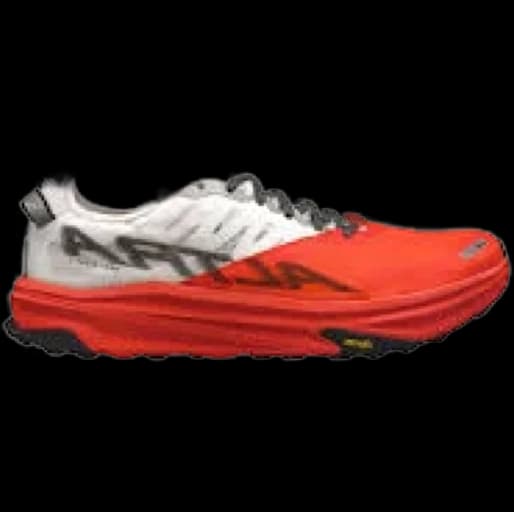
The New Balance FuelCell SuperComp Trail is a featherweight trail racer designed for runners who crave speed and comfort on moderate terrain. Its plush yet responsive midsole and grippy Vibram outsole make it ideal for fast training days or race efforts, though its narrow fit and high drop may not suit every runner. Best for those seeking a nimble, energetic ride without sacrificing cushioning.
Durability is rated above average due to the Vibram Megagrip Litebase outsole and reinforced upper, with users and lab tests reporting good resistance to wear. However, the lightweight mesh and focus on breathability may compromise long-term durability compared to heavier-duty trail shoes.
Full specs, fit notes, and reviews on the New Balance Fuelcell SC Trail wiki page.
Specs
249 g · 10 mm drop
Norma rating
8.5/10
The New Balance FuelCell SuperComp Trail is widely regarded as a high-performance, lightweight trail shoe designed for speed and agility. Experts consistently highlight its low weight (8.7 oz/248g), energetic FuelCell midsole, and carbon plate, making it exceptionally well-suited for trail racing and tempo efforts on a variety of off-road surfaces. Its cushioning and protection are sufficient for long trail runs, with reviewers noting comfort and reliability even on multi-hour efforts. The shoe excels on semi-technical and rolling terrain, offering strong grip and a nimble ride, though it is not recommended for highly technical or alpine routes. For daily training, it is capable but may be overbuilt for easy miles, and its firmer, responsive ride is less ideal for recovery runs, where softer, more forgiving shoes are preferred. User and expert consensus agree that its primary strengths are in racing, tempo, and long trail runs, with some versatility for daily use but limited appeal for pure recovery days.
- Exceptionally lightweight build allows for effortless speed and reduced fatigue on long runs
- FuelCell midsole delivers a soft, cushioned ride that remains responsive over varied terrain
- Vibram Megagrip Litebase outsole provides reliable traction even on loose or wet surfaces
- Breathable upper keeps feet cool during sustained efforts
- Secure fit and stable rearfoot hold inspire confidence on moderate trails
- Narrow toebox may restrict toe splay and comfort for wider feet
- Steep heel-to-toe drop favors heel strikers and may feel awkward for forefoot or midfoot runners
- Limited stability and protection on highly technical or rocky terrain
- Lacing system may not allow for precise forefoot lockdown
Best for and fit
Trail
Ideal for Best suited for experienced trail runners or road runners transitioning to trails who prioritize speed, lightweight design, and responsive cushioning. Ideal for those with a neutral gait, narrower feet, and a preference for moderate, non-technical trails or race-day efforts. Not recommended for runners needing extra stability or wide toebox space.
The FuelCell SuperComp Trail is New Balance’s first true 'trail super shoe,' blending maximal FuelCell cushioning with a stiff carbon plate for propulsion. The fit is tailored for racing and fast trail efforts, prioritizing lockdown and responsiveness over plush comfort. The upper is lightweight and breathable, but not as padded as daily trainers. Runners with very wide feet or those preferring a relaxed fit may find the midfoot and toebox slightly snug. The shoe excels in secure fit and energy return, but the stiff platform and snug wrap may not suit those seeking a natural, flexible feel.
Sizing: Generally true to size; most expert and user reviews report a standard fit with no need to size up or down compared to typical New Balance sizing. Comparable to other FuelCell models, but with a slightly more performance-oriented (snug) feel in the midfoot and heel for secure lockdown.
Against its category
560 km average348 mi average
Trail shoes in NORMA's database last between 180112 and 850 km528 mi across 444 models. At 480 km298 mi, the New Balance Fuelcell SC Trail sits in the lower half of that range.
Other versions and similar shoes





Questions and guides
How many kilometres does the New Balance Fuelcell SC Trail last?
The New Balance Fuelcell SC Trail lasts about 480 km (298 miles), based on hand-researched wear data for this model. Your own mileage shifts with body weight, running surface, and how you use the shoe.
How many miles does the New Balance Fuelcell SC Trail last?
About 298 miles (480 km), based on hand-researched wear data for this model.
When should I replace the New Balance Fuelcell SC Trail?
Start checking for wear around 288 km (60% of its lifespan). By 384 km the foam and outsole are usually noticeably degraded, and most runners retire the shoe between there and 480 km.
How does the New Balance Fuelcell SC Trail compare to other trail shoes?
Trail shoes in NORMA's database range from 180 to 850 km across 444 models. At 480 km, the New Balance Fuelcell SC Trail sits in the lower half of that range.
Is a used New Balance Fuelcell SC Trail worth buying?
Often, yes. A pair with under 60% wear (roughly 288 km) still has real training life left. NORMA lists second-rotation running shoes, and sellers can add the miles they logged, so you can see how much life is left.