

Lifespan: Brooks Catamount 2
~500 km~311 mi
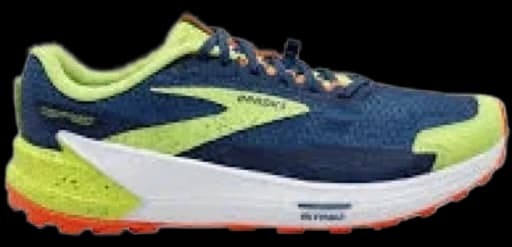
Add the km they've run to start the count.Add the miles they've run to start the count.
See full data on the Catamount 2
Buy, track or sell
No Catamount 2 listed right now.
Be first in line — we'll email you the moment a pair in your size lists.
About the shoe
The Brooks Catamount 2 stands out as a nimble, responsive trail shoe that excels on technical and mid-distance routes. Its secure fit, energetic midsole, and protective plate make it a top pick for runners who want speed and confidence off-road without sacrificing comfort. While best suited for shorter to mid-length efforts, it offers enough versatility for both training and racing on diverse trails.
Reviewers consistently highlight the durable mesh upper, abrasion resistance, and robust build quality. The Skyvault plate adds protection and longevity, and the shoe holds up well in varied trail conditions. Minor complaints include laces coming untied, but no significant durability issues are reported.
Full specs, fit notes, and reviews on the Brooks Catamount 2 wiki page.
Specs
275 g · 6 mm drop
Norma rating
8.5/10
The Brooks Catamount 2 is widely regarded by experts and users as a highly responsive, lightweight trail shoe best suited for short to mid-distance trail running, especially on technical terrain. Its nitrogen-infused DNA Flash midsole and Skyvault plate provide a snappy, stable ride with good protection and grip, making it ideal for tempo efforts and trail races up to half marathon or 50K distances. The fit is secure with a performance-oriented upper, though some users note a shallow toebox and lacing issues. While the cushioning is sufficient for moderate distances, several reviewers and users find it less comfortable for very long runs or recovery efforts, as the ride is firmer and more energetic than plush. The shoe's versatility allows for some daily training use, but its strengths are in faster-paced trail workouts and races rather than easy or high-mileage days. Road use is possible but not optimal due to the trail-specific outsole and plate design.
- Responsive nitrogen-infused midsole delivers a lively, energetic ride that encourages faster paces on a variety of trail surfaces
- Secure, performance-oriented fit with improved lockdown in the heel and midfoot, reducing slippage and boosting confidence on technical terrain
- SkyVault plate offers a balance of underfoot protection and subtle stability without feeling overly stiff, making descents and rocky sections more comfortable
- Versatile enough for both daily trail training and race-day efforts, especially on mid-distance and technical courses
- Midsole and plate combination feels firmer, which may not suit runners seeking plush cushioning for ultra-long distances
- Propulsion from the plate is subtle and may not meet expectations for those wanting a true carbon-plated 'super shoe' experience
Best for and fit
Trail
Ideal for Best for intermediate to advanced trail runners who value a secure, performance fit and responsive ride for mid-distance training or racing. Ideal for those who tackle technical terrain at speed and want a shoe that balances protection, agility, and comfort without excessive bulk.
The Catamount 2 is designed for a secure, performance fit with a slightly snug midfoot and a moderately accommodating toebox. The heel is well-locked down, making it suitable for technical trails and fast running. The shoe is best for runners with average to slightly wide feet; those with very wide feet may prefer to try before buying. The upper is breathable and supportive, and the overall fit is praised for balancing comfort with a race-ready feel.
Sizing: Generally true to size; most reviewers and user feedback indicate no need to size up or down compared to standard running shoe sizing. Fit is consistent with other Brooks trail models, but those with very wide feet may find the midfoot slightly snug.
Against its category
560 km average348 mi average
Trail shoes in NORMA's database last between 180112 and 850 km528 mi across 444 models. At 500 km311 mi, the Brooks Catamount 2 sits in the lower half of that range.
Other versions and similar shoes
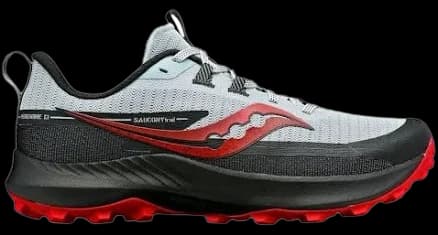
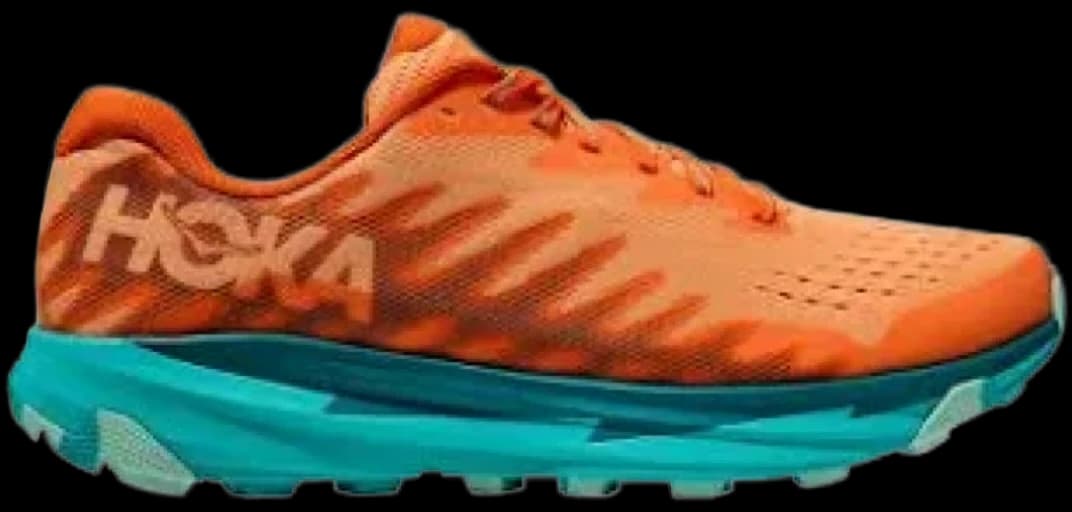
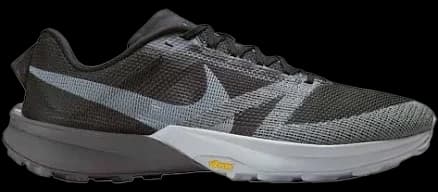
- Catamount~500 km · 311 mi
- Catamount 2~500 km · 311 mi
- Catamount 3~550 km · 342 mi
- Catamount 4~550 km · 342 mi
Questions and guides
How many kilometres does the Brooks Catamount 2 last?
The Brooks Catamount 2 lasts about 500 km (311 miles), based on hand-researched wear data for this model. Your own mileage shifts with body weight, running surface, and how you use the shoe.
How many miles does the Brooks Catamount 2 last?
About 311 miles (500 km), based on hand-researched wear data for this model.
When should I replace the Brooks Catamount 2?
Start checking for wear around 300 km (60% of its lifespan). By 400 km the foam and outsole are usually noticeably degraded, and most runners retire the shoe between there and 500 km.
How does the Brooks Catamount 2 compare to other trail shoes?
Trail shoes in NORMA's database range from 180 to 850 km across 444 models. At 500 km, the Brooks Catamount 2 sits in the lower half of that range.
Is a used Brooks Catamount 2 worth buying?
Often, yes. A pair with under 60% wear (roughly 300 km) still has real training life left. NORMA lists second-rotation running shoes, and sellers can add the miles they logged, so you can see how much life is left.