

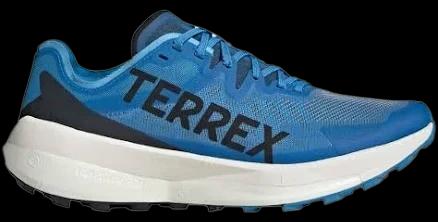
Lifespan: Adidas Terrex Agravic Speed
~500 km~311 mi
Add the km they've run to start the count.Add the miles they've run to start the count.
See full data on the Terrex Agravic Speed
Buy, track or sell
No Terrex Agravic Speed listed right now.
Be first in line — we'll email you the moment a pair in your size lists.
About the shoe
The Adidas Terrex Agravic Speed is engineered for trail runners who crave speed and agility on technical terrain. Its energetic midsole and aggressive rocker deliver a fast, confident ride, especially for midfoot strikers tackling short to mid-distance races. While the firm cushioning and unique geometry may not suit every runner, those who thrive on responsiveness and nimble handling will find this shoe a standout performer.
Build quality is generally solid, with reviewers noting that the shoe holds up well for short to intermediate distances on technical terrain. There are no widespread reports of premature wear, but the narrow footprint and lighter construction may limit longevity for heavier runners or those using it on very rough trails.
Full specs, fit notes, and reviews on the Adidas Terrex Agravic Speed wiki page.
Specs
238 g · 8 mm drop
Norma rating
8.5/10
The Adidas Terrex Agravic Speed is widely regarded by experts and users as a lightweight, highly responsive trail shoe optimized for speed and technical terrain. Its Lightstrike Pro midsole and aggressive outsole provide excellent propulsion and traction, making it ideal for trail racing and tempo efforts on varied surfaces. The shoe excels at fast paces, with reviewers consistently noting its 'race-ready' feel and ability to handle technical climbs and descents with confidence. However, the minimal cushioning and limited lateral support reduce its suitability for daily training, recovery runs, or very long distances, as foot fatigue and discomfort may set in over extended efforts. While some users have completed ultra distances in the shoe, most experts recommend it for races up to marathon distance or shorter, especially on technical trails. The fit is roomy and the upper is highly breathable, but the rough ankle collar and minimal support make it less comfortable for easy or recovery runs.
- Responsive midsole delivers energetic toe-off and helps maintain pace on both climbs and descents, making technical terrain feel more manageable.
- Dual-layer Lightstrike and Lightstrike Pro foams provide a balance of cushioning and stability, reducing foot fatigue over longer trail efforts.
- Aggressive rocker geometry encourages a smooth, fast transition and rewards midfoot strikers with a propulsive ride.
- Excellent traction and nimble handling inspire confidence on varied surfaces, especially during fast technical sections and quick direction changes.
- Durable construction and resilient cushioning maintain performance over many miles without significant compression or loss of bounce.
- Firm midsole feel may not suit runners seeking plush comfort or those with sensitive feet, especially on extended ultra distances.
- Highly rockered design can feel awkward for pronounced heel strikers, potentially disrupting natural stride mechanics.
- Upper breathability and fit may not accommodate all foot shapes, particularly in hot or humid conditions (based on user feedback and forum reports).
Best for and fit
Trail
Ideal for Best suited for experienced trail runners or racers who prefer a responsive, firm ride and excel with a midfoot strike. Ideal for those targeting short to mid-distance trail races (up to 50k), technical terrain, and runners who value speed, agility, and a propulsive toe-off over plush cushioning.
The shoe is optimized for speed and technical trail running, with a performance fit that prioritizes lockdown and ground feel. The aggressive rocker favors midfoot and forefoot strikers, while heel strikers may find the ride less natural. Not recommended for those seeking maximal cushioning or a wide, relaxed fit. The upper is lightweight and breathable, contributing to the secure fit but offering minimal stretch.
Sizing: Generally true to size; most reviewers and user feedback indicate standard sizing with no need to size up or down compared to other Adidas Terrex models. Fit is consistent with typical Adidas trail shoes, but those with very wide feet may find it slightly snug in the midfoot and toebox.
Against its category
560 km average348 mi average
Trail shoes in NORMA's database last between 180112 and 850 km528 mi across 444 models. At 500 km311 mi, the Adidas Terrex Agravic Speed sits in the lower half of that range.
Other versions and similar shoes
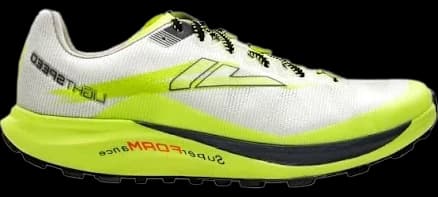
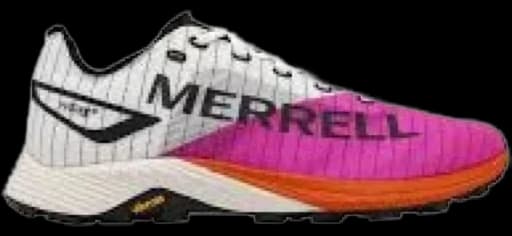
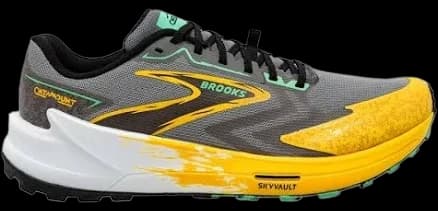
Questions and guides
How many kilometres does the Adidas Terrex Agravic Speed last?
The Adidas Terrex Agravic Speed lasts about 500 km (311 miles), based on hand-researched wear data for this model. Your own mileage shifts with body weight, running surface, and how you use the shoe.
How many miles does the Adidas Terrex Agravic Speed last?
About 311 miles (500 km), based on hand-researched wear data for this model.
When should I replace the Adidas Terrex Agravic Speed?
Start checking for wear around 300 km (60% of its lifespan). By 400 km the foam and outsole are usually noticeably degraded, and most runners retire the shoe between there and 500 km.
How does the Adidas Terrex Agravic Speed compare to other trail shoes?
Trail shoes in NORMA's database range from 180 to 850 km across 444 models. At 500 km, the Adidas Terrex Agravic Speed sits in the lower half of that range.
Is a used Adidas Terrex Agravic Speed worth buying?
Often, yes. A pair with under 60% wear (roughly 300 km) still has real training life left. NORMA lists second-rotation running shoes, and sellers can add the miles they logged, so you can see how much life is left.